Hire a UI/UX Designer in Egypt, Saudi Arabia & UAE: How to Make Users Feel the App Truly Belongs to Them
Imagine this scenario: a user downloads your app, tries it for two or three days, then quietly deletes it without a second thought.
Not because the design was ugly Not because it was slow، Most of the time, the real reason is simpler and deeper they never felt the app was truly theirs.
The biggest difference between apps users keep coming back to and the ones they abandon quickly isn’t always features or performance. Very often, it’s whether the user developed a psychological sense of ownership. This phenomenon is well-documented in behavioral psychology and is commonly called the Endowment Effect.
Why do most new apps get deleted so fast
We’ve all experienced it: we install a task manager, photo editor, delivery app, or habit tracker. The first couple of days feel promising then we think “it’s not quite right” and remove it.
In the majority of cases, the issue isn’t missing functionality The real problem is that the product never made the user feel they had invested something personal in it even if that investment was small.
A truly skilled product designer for apps or Figma UI UX designer understands that the core mission is not only to create beautiful screens, but to create the emotional feeling: “This is my app.”
What exactly is the Endowment Effect
The concept is surprisingly simple yet powerful:
People place significantly higher value on things they feel they already own compared to identical items they don’t.
Classic experiments show that participants demanded 2–3× higher prices to sell a coffee mug or pen they had held for just a few minutes — compared to the price they were willing to pay to buy the exact same item.
In mobile app design services, this translates to a very practical rule:
The more small actions, decisions, and personal traces a user leaves inside your product, the harder it becomes for them to leave.
4 practical ways to create real ownership in your app
1. Let users start creating something within the first 60 seconds
Strong real-world examples:
- Notion opens an empty page you can immediately write in and organize
- Canva gives you an editable template from second one
- Duolingo builds a daily streak users become afraid to break
When someone adds even a tiny piece of themselves to the product, it stops being “just another app.”
2. Offer deep, meaningful personalization
Allow users to:
- Reorder sections and tabs
- Choose theme colors or dark mode preferences
- Rename folders, lists, or categories with personal names
- Upload a profile picture, logo, or small avatar
Each micro-decision turns a generic tool into “my personal space.”
3. Smart “try before you buy” experiences
Very successful implementations include:
- IKEA Place see furniture in your own room via AR
- Virtual try-on for clothes, makeup, glasses, jewelry
Once a user mentally sees the product in their life, their brain starts treating it as something they already partially own.
4. Protect ownership feelings during an app redesign
One of the fastest ways to destroy user loyalty is a drastic app UI UX redesign that wipes away all familiarity.
When planning a redesign, smart teams:
- Preserve key familiar elements that power users recognize
- Add more customization options than before
- Roll out changes progressively rather than all at once
Real project example from Saudi Arabia
A food delivery client had decent order volume but terrible retention most users tried the app once or twice and disappeared.
After a focused app redesign service, we implemented:
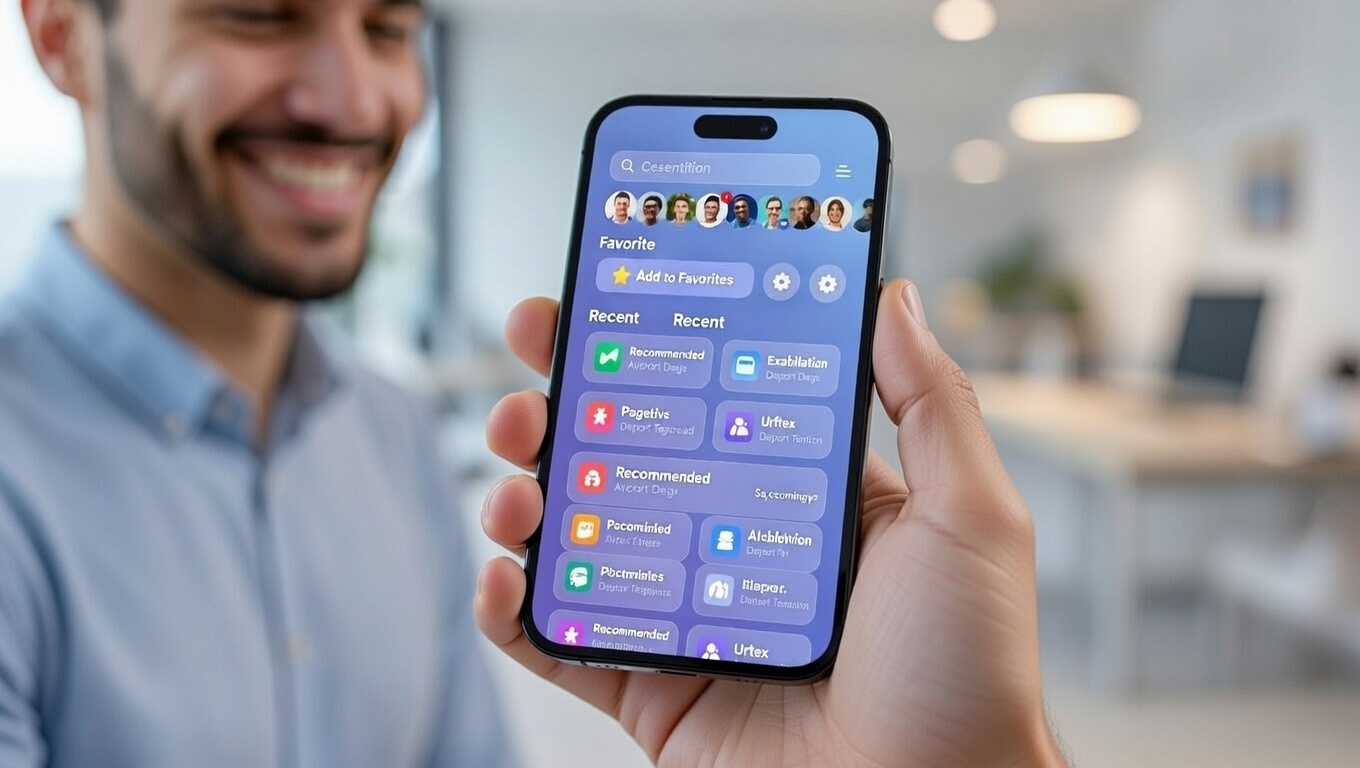
- Fully customizable personal favorites list (colors, order, icons)
- User’s name prominently displayed across screens
- Personalized push notifications using their name
Result: 38% increase in 30-day retention within the first two months a massive improvement in a highly competitive vertical.
Advice for UI/UX designers working with clients in the Middle East
If you’re a freelance UI UX designer, Figma designer for mobile apps, or ui ux designer for startups in Egypt, Saudi Arabia, UAE or the wider region, make sure your portfolio clearly shows you understand emotional connection not just visual polish.
Highlight projects that demonstrate:
- User-generated content creation
- Deep personalization systems
- Strong freemium / try-before-buy flows
- Measurable improvements (higher retention, longer sessions, lower churn)
Clients notice when a designer asks:
“How do we make users feel this product belongs to them?”
That single question separates average designers from the best UI UX designer for mobile apps clients want to hire.
If you’re thinking “I need to hire a designer to build my app”
Ask any potential designer this one powerful question:
“How will you make users feel this app is truly theirs?”
A thoughtful, specific answer to that question is usually the best predictor of whether your product will enjoy long-term success or become another forgotten icon on someone’s phone.